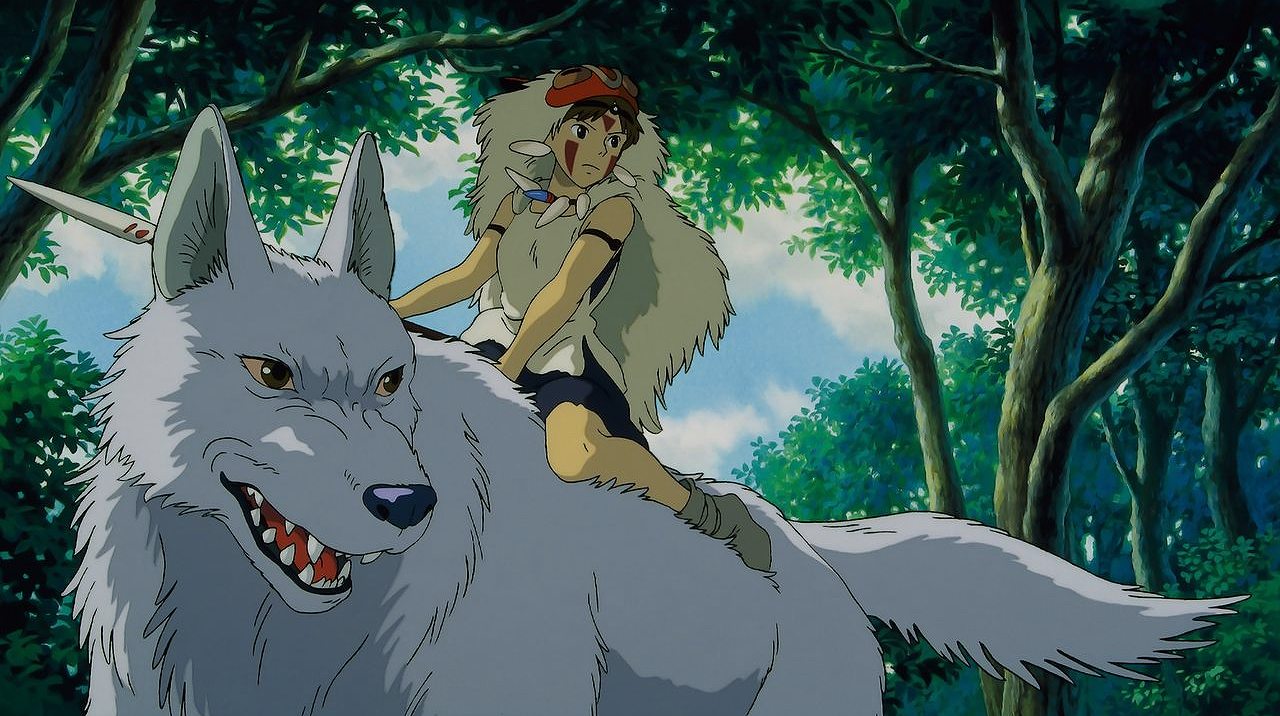
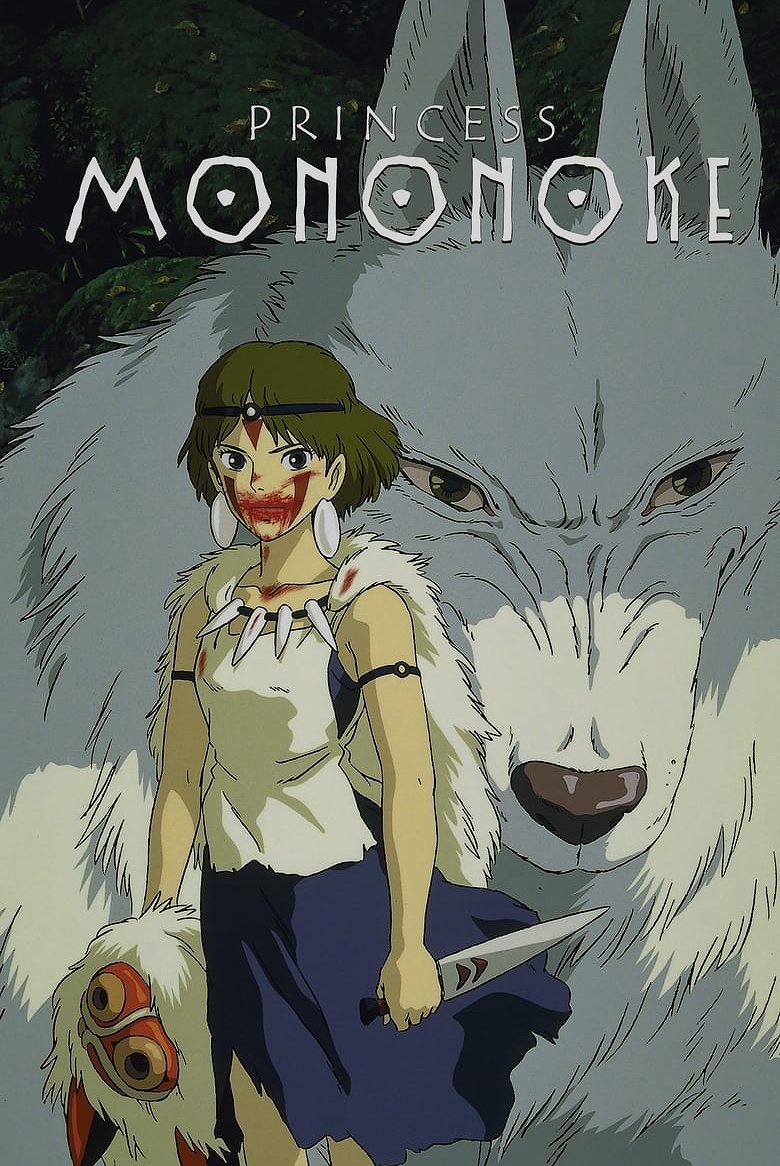
Princess Mononoke, Hayao Miyazaki's masterpiece, is not just another children's anime. It is an epic that deeply reflects the conflict between humans and nature, through characters where neither side is entirely right or wrong. The film takes us back to Japan's Sengoku period, where deep forests are still filled with spirits and gods, but human greed is encroaching more and more.
Plot Summary (No Spoilers)
The story begins when Prince Ashitaka of the Emishi tribe fights a crazed boar demon and receives a cursed wound that slowly kills him. To find a cure, he journeys westward, where he encounters Lady Eboshi's ironworks village, which is cutting down forests to produce weapons. The threatened forest is protected by Princess San (or 'Mononoke'), a human raised by white wolves who vows to defend the forest. The clash between humans and forest animals forces Ashitaka to seek a compromise before all sides are consumed by hatred.
Performance and Characters
Though animated, the original Japanese voice acting is incredibly powerful. Yoji Matsuda voices Ashitaka with strength and hidden gentleness. Yuriko Ishida perfectly captures San's fierceness and vulnerability, while Yuko Tanaka makes Lady Eboshi a multidimensional and sympathetic antagonist. Every character has reasons for their actions; no one is purely evil, making viewers question the right and wrong of each side.
Direction, Visuals, and Music
Miyazaki proves his storytelling prowess through stunning hand-drawn visuals. Every frame is a work of art, especially the designs of gods and forest spirits, both beautiful and terrifying. Action scenes are fluid and intense, unsuitable for young children. The score by Joe Hisaishi creates an atmosphere both grand and melancholic, especially the memorable main theme.
Editorial Analysis
The editorial team views Princess Mononoke as one of Studio Ghibli's boldest works because it rejects simple black-and-white divisions. The film doesn't say humans are always wrong or nature is innocent, but shows that conflict arises from misunderstanding and lack of communication. Ashitaka represents a new generation trying to bridge the gap, even knowing there may be no perfect solution. The message of balance and sustainability remains timeless.
Verdict
Princess Mononoke is a must-see for fans of quality cinema and art lovers. Even after nearly thirty years, its themes of environment and conflict remain relevant. Perfect for those who appreciate sophisticated films unafraid to question society.
Screenshots


👍 Pros
- +Masterpiece-level hand-drawn visuals
- +Multidimensional characters; no side is purely right or wrong
- +Beautiful and moving score by Joe Hisaishi
- +Deep content reflecting environmental issues and war
👎 Cons
- −134-minute runtime may feel lengthy for some
- −Quite violent; not suitable for young children
- −Mid-section pacing may be slow for general audiences
Top Cast




FAQ
It should not be considered a children's film due to violent scenes and complex themes. Suitable for teenagers and adults.
Not at all; they are different films. Although the Thai title includes 'Totoro', the original is 'Mononoke', meaning spirit or ghost.
No spoilers, but the ending is open-ended and realistic, suggesting that nature and humans can coexist with effort, but it is not a fairy-tale happy ending.